Hey teachers, parents, and young learners! 🌈 Are you ready to explore the magical world of similes and metaphors?
For 5th graders, understanding these literary devices can turn ordinary sentences into vivid and creative expressions.
In this guide, we’ve compiled 350+ fun, interactive, and educational activities that will make learning similes and metaphors a breeze!
🎉 From worksheets and storytelling exercises to games and creative writing prompts, your students will practice, play, and master these skills in a super engaging way.
Whether you’re in the classroom, at home, or online, these activities are perfect for encouraging creativity, imagination, and confident writing. Let’s make literary learning fun and unforgettable! ✏️💡
What Are Similes and Metaphors? 🤔
Before diving into activities, let’s quickly define these literary tools:
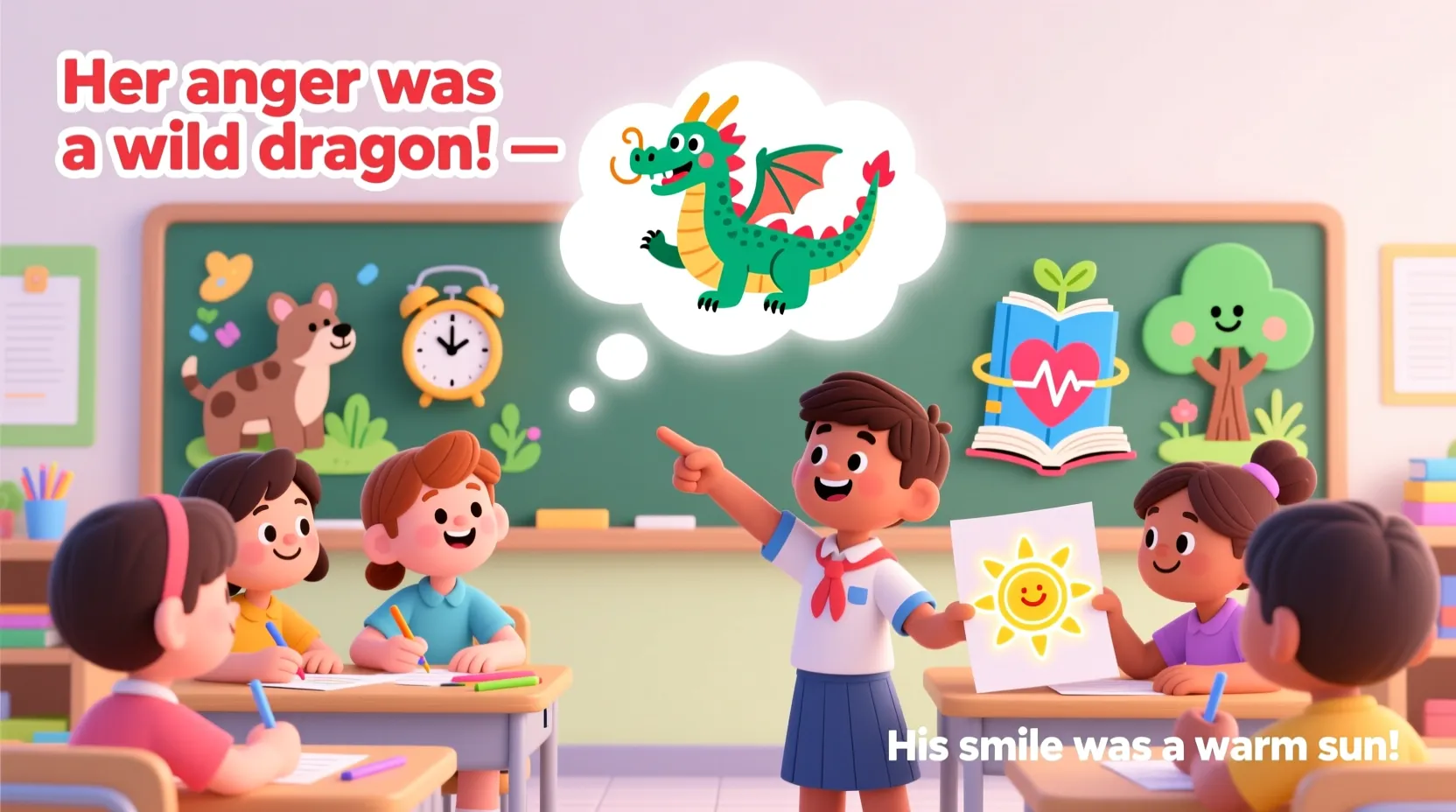
- Simile: A comparison using “like” or “as.” Example: Her smile was as bright as the sun.
- Metaphor: A direct comparison, stating one thing is another. Example: Time is a thief.
Both are essential for creative writing, reading comprehension, and even speaking skills. They help students paint mental images and express emotions with precision.
Why Teaching Similes and Metaphors Matters 🎯
- Boosts Creativity: Students learn to think outside the box.
- Enhances Vocabulary: Encountering comparisons encourages new word usage.
- Strengthens Reading Comprehension: Recognizing figurative language improves literary analysis.
- Encourages Emotional Expression: Helps children connect feelings to words.
1. Simile Scavenger Hunt 🔍
Have students search books, poems, or stories for similes. They can write them down and explain the comparison. This activity sharpens observation skills and introduces them to different writing styles.
2. Metaphor Match Game 🃏
Create cards with metaphors and their meanings. Students match the metaphor to its meaning, reinforcing understanding while having fun. Example: “Life is a rollercoaster” → ups and downs in life.
3. Creative Writing Prompts ✍️
Give prompts like:
- The sky is like…
- My heart is a…
Students fill in the blanks, using original similes and metaphors to spark imagination.
4. Illustrate Your Metaphor 🎨
Students draw a picture representing a metaphor they’ve created. Example: Happiness is a balloon floating in the sky. This visual activity strengthens comprehension and creativity.
5. Simile and Metaphor Journals 📓
Encourage students to keep a daily journal of comparisons they notice in their lives. This habit builds observational skills and helps them practice personal expression.
6. Figurative Language Roleplay 🎭
Students act out similes and metaphors, turning abstract ideas into interactive scenes. For example, “He was a lion in the debate” can be dramatized to show courage and strength.
7. Song Lyrics Analysis 🎵
Have students analyze favorite songs for similes and metaphors. This makes the activity relatable and modern, showing figurative language in real-life contexts.
8. Nature Comparison Walk 🌳
Take students outside and have them describe nature using similes and metaphors. Example: The leaves danced like flames in the wind. This encourages sensory observation and creativity.
9. Group Story Building 📖
Each student contributes one sentence with a simile or metaphor to a story. By the end, they’ll have a collaborative, imaginative tale, reinforcing teamwork and literary skills.
10. Figurative Language Charades 🤹
Similar to roleplay, but students guess the simile or metaphor being acted out. This is perfect for kinesthetic learners.
11. Metaphor Treasure Box 🗝️
Fill a box with metaphor prompts. Students draw one and write a short paragraph expanding the idea. Example prompt: Friendship is…
12. Comic Strip Creations 🖌️
Students create a comic strip using similes and metaphors in dialogue or narration. This blends art and language arts, making the learning experience memorable.
13. Figurative Language Collage 🖼️
Using magazines or printed images, students cut out visuals representing their metaphors and similes. This multisensory approach reinforces understanding.
14. Daily Figurative Language Challenge ⏰
Each day, challenge students to write one new simile or metaphor. Over time, this builds a rich collection and encourages daily creative thinking.
15. Peer Review and Sharing 🗣️
Have students share their favorite similes and metaphors with the class and explain why they chose them. Peer discussion fosters confidence and critical thinking.
16. Simile and Metaphor Story Dice 🎲
Create dice with different nouns, adjectives, or emotions. Students roll the dice and create similes or metaphors using the rolled words. This encourages spontaneity and fun learning.
17. Figurative Language Anchor Charts 📌
Display charts with examples of similes and metaphors. Encourage students to add new examples as they discover them. This creates a living reference guide.
18. Metaphor Mad Libs 📝
Use a mad-libs style activity with blanks for students to insert creative metaphors or similes. Example: The __________ is like a __________. This teaches structural understanding in a playful way.
19. Literary Analysis Practice 📚
Provide short stories or poems and have students highlight similes and metaphors. They explain their function in the text, linking comprehension and analysis.
20. Emotion Metaphor Exercise 💖
Students express feelings through metaphors. Example: Sadness is a rainy cloud covering my heart. This activity helps emotional intelligence alongside literary skills.
21. Sensory Language Activity 👃👂👀
Ask students to create similes and metaphors for the five senses. Example: The cake smelled like heaven on a summer morning. This enhances descriptive writing.
22. Collaborative Classroom Wall 🌈
Dedicate a wall space for similes and metaphors. Students can add new comparisons weekly, creating a dynamic and evolving display.
23. Figurative Language Bingo 🎉
Create bingo cards with different similes and metaphors. Students mark off examples as they encounter them in stories or lessons. This gamifies learning.
24. Visual Story Prompts 🌌
Show an intriguing image and ask students to write a simile or metaphor about it. Example: The stars were diamonds scattered across a black velvet sky. This strengthens observational and creative skills.
25. Reflection and Self-Assessment 🪞
At the end of a unit, have students reflect on their favorite similes and metaphors, explaining how it enhanced their writing. This builds self-awareness and critical thinking.
Conclusion:
Similes and metaphors are more than just literary devices—they are tools of imagination, bridges between the real and the abstract, and keys to expressing complex emotions.
By engaging 5th graders in 350+ hands-on, interactive activities, you’re not just teaching language arts—you’re helping them see the world in vibrant comparisons, feel it deeply, and express it beautifully.
When children learn to craft their own similes and metaphors, they gain confidence, creativity, and a lifelong love for words. Encourage exploration, celebrate originality, and watch as your students transform ordinary sentences into magical stories. 🌟
Discover More Post
250+ Similes for Caring: Expressing Love, Kindness & Compassion ❤️🌟
100+ Fun Poems with Similes for Kids to Spark Imagination 🌟✏️
250+ Similes for Caring That Inspire Compassion ❤️🌸