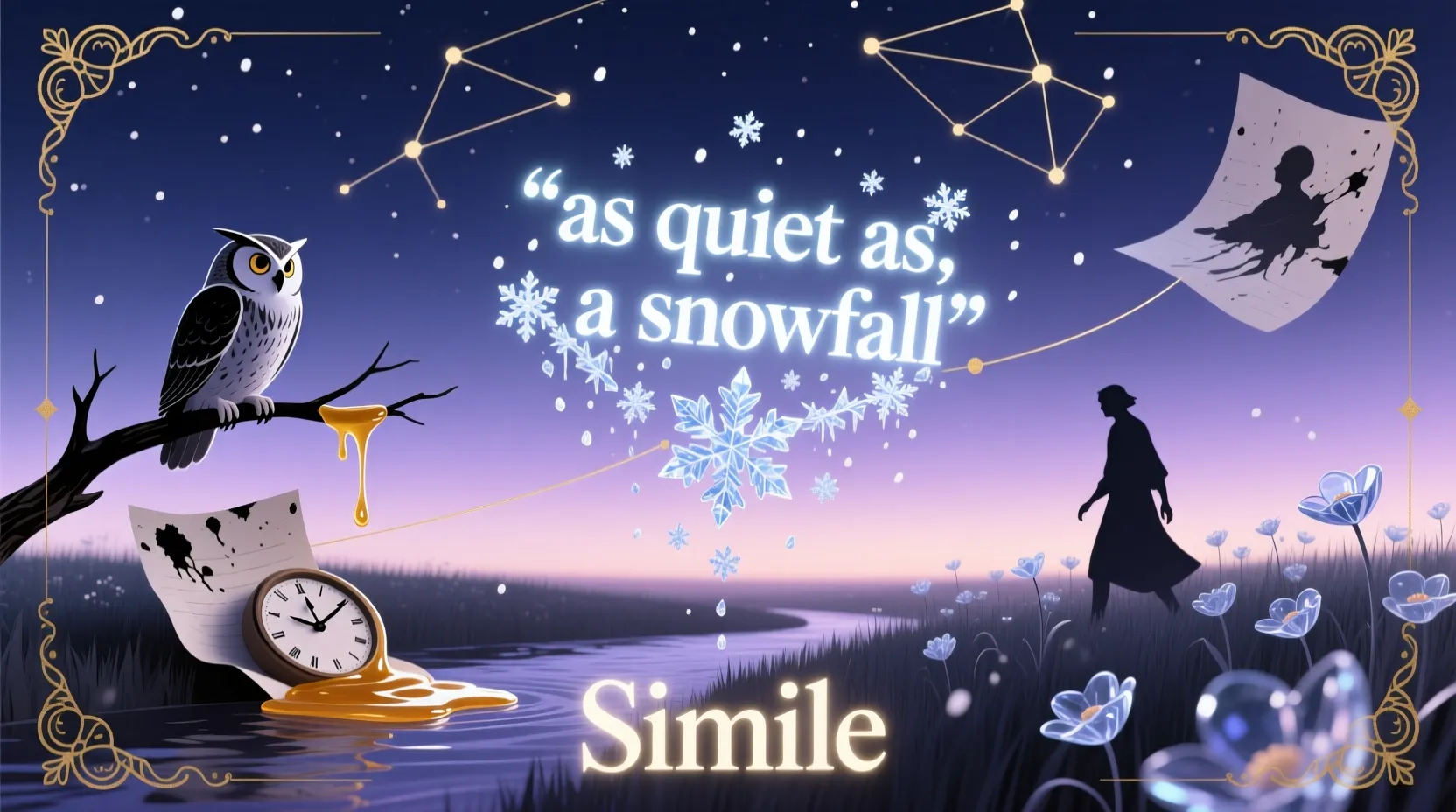
Looking for fresh ways to describe [WORD]? Similes are one of the easiest and most fun ways to make your writing vivid and engaging.
By comparing [WORD] to something familiar, you can create powerful imagery that resonates with readers.
If you’re a student, teacher, writer, or just a fan of creative expression, these 120+ similes for [WORD] will spark your imagination! 🌈✏️
What Does “Different” Mean in Simple Words?
The word different means not the same.
Something that is different stands out, feels special, or does not match what we expect.
For example:
- A blue apple is different from a red one.
- A quiet classroom feels different from a noisy playground.
Similes help us describe how something is different.
What Is a Simile? (Quick Reminder for Kids)
A simile compares two things using “like” or “as.”
Example:
- Her ideas were like fireworks.
Similes make sentences:
- More colorful
- More interesting
- Easier to imagine
Why Use Similes for the Word “Different”?
Using similes for different helps:
- Improve creative writing ✍️
- Make descriptions clearer
- Express uniqueness kindly
- Build strong vocabulary for school
Similes for “Different” – Simple and Easy
- Different like night and day
- Different like apples and oranges
- Different as chalk and cheese
- Different like black and white
👉 Tip: These are common and easy similes for beginners.
Similes for “Very Different”
- Very different like fire and ice
- Very different as summer and winter
- Very different like the sun and the moon
- Very different as up and down
Similes for “Completely Different”
- Completely different like water and oil
- Completely different as earth and sky
- Completely different like daydreams and reality
- Completely different as silence and noise
Similes for “Different in a Good Way”
- Different like a rainbow in the rain
- Different as a rare gemstone
- Different like a bright star
- Different as a blooming flower
👉 Insight: Being different can be positive and beautiful.
Similes for “Uniquely Different”
- Unique like a snowflake
- Unique as fingerprints
- Unique like a one-of-a-kind painting
- Unique as a special melody
Similes for Kids About Being Different
- Different like a purple banana
- Different as a square wheel
- Different like a talking cat
- Different as upside-down shoes
Kids love fun and silly comparisons!
Similes for Students’ Writing
- Different like a new chapter in a book
- Different as changing seasons
- Different like a new idea
- Different as a fresh start
Similes for Creative Writing
- Different like a dream in daylight
- Different as a whisper in a storm
- Different like a shadow dancing
- Different as colors in the dark
Similes for “Standing Out”
- Stands out like a bright light
- Stands out as a red rose in snow
- Stands out like gold among stones
- Stands out as a tall tree in a field
Similes for Emotional Differences
- Felt different like a missing puzzle piece
- Felt different as a lonely cloud
- Felt different like a soft echo
- Felt different as a quiet song
Similes for Positive Differences
- Different like sunshine after rain
- Different as hope in darkness
- Different like a smile in sadness
- Different as a warm hug
Similes for Negative or Strange Differences
- Different like a broken clock
- Different as a flat tire
- Different like a crooked mirror
- Different as a twisted road
Similes for “Not the Same”
- Not the same like copies and originals
- Not the same as fake and real
- Not the same like echoes and voices
- Not the same as old and new
Similes for Cultural or Personal Differences
- Different like many colors in one painting
- Different as languages in the world
- Different like songs from different lands
- Different as stories from many books
Similes for “Odd or Unusual”
- Unusual like a square moon
- Unusual as a barking fish
- Unusual like a flying turtle
- Unusual as rainbow-colored snow
Similes for “Fresh and New” Differences
- New like morning dew
- New as a blank page
- New like a newborn star
- New as first footsteps
Similes for “Surprising Differences”
- Surprising like thunder on a sunny day
- Surprising as snow in summer
- Surprising like fireworks at noon
- Surprising as sudden laughter
Similes for “Creative Differences”
- Creative like a painter’s mind
- Creative as a storyteller’s dream
- Creative like dancing colors
- Creative as music without words
Similes for “Thinking Differently”
- Thinks differently like a chess master
- Thinks differently as an inventor
- Thinks differently like a problem solver
- Thinks differently as a puzzle thinker
Similes for “Looking Different”
- Looks different like a rare bird
- Looks different as a shining pearl
- Looks different like a colorful leaf
- Looks different as a bright butterfly
Similes for “Feeling Different”
- Feels different like walking on clouds
- Feels different as floating feathers
- Feels different like calm water
- Feels different as gentle rain
Similes for “Growing and Changing”
- Changed like a caterpillar to butterfly
- Changed as seeds to trees
- Changed like day to night
- Changed as time moves on
Similes for “Different Opinions”
- Opinions differ like forks in a road
- Opinions differ as flavors of ice cream
- Opinions differ like many paths
- Opinions differ as voices in a crowd
Similes for “Special Differences”
- Special like a hidden treasure
- Special as a golden key
- Special like a secret garden
- Special as a lucky star
Similes for Classroom Use
- Different answers like many solutions
- Different ideas as puzzle pieces
- Different skills like tools
- Different minds as colorful crayons
Similes for Storytelling
- Different like magic in ordinary days
- Different as whispers of wonder
- Different like fairy dust
- Different as secret doors
Similes for Encouraging Kids to Be Different
- Be different like a brave lion
- Be different as a soaring eagle
- Be different like a shining sun
- Be different as your true self
Common Mistakes to Avoid When Using Similes
- Don’t mix unclear comparisons
- Keep similes age-appropriate
- Avoid overusing them
- Make sure the comparison makes sense
How Teachers Can Use Similes for “Different”
Teachers can:
- Use similes in writing lessons
- Encourage creative thinking
- Build vocabulary activities
- Promote confidence in uniqueness
How Parents Can Help Kids Learn Similes
Parents can:
- Read stories together
- Create fun comparisons at home
- Praise creativity
- Encourage self-expression
How Similes Improve Writing Skills
Similes:
- Make writing colorful
- Improve clarity
- Increase imagination
- Strengthen storytelling
Practice Activity: Create Your Own Simile
Ask:
- What is different?
- What does it feel like?
- What can I compare it to?
Example:
My idea was different like a new star in the sky.
Why Being “Different” Is a Strength
Being different means:
- Thinking creatively
- Seeing new solutions
- Expressing individuality
- Making the world more colorful
Conclusion
Similes for the word “different” help readers understand uniqueness in a fun, kind, and creative way.
If you are a student learning to write, a teacher guiding young minds, or a parent encouraging confidence, these 120+ similes offer powerful tools for expression.
Remember—being different is not a weakness; it is a wonderful strength worth celebrating.
Discover More Post
120+ Similes for Screamed: Fun, Powerful Comparisons for Students and Young Writers
350+ Similes for Learning – Unlock the Power of Your Words 🎓📚
250+ Christmas Similes for Kids 🎄✨ – Fun & Festive Comparisons